The Truth About Heat and Retread Tires Performance
There’s a persistent myth in the trucking industry that retread tires are uniquely vulnerable to heat and that they’re more likely to fail in hot conditions than new tires. It’s an understandable concern, but it’s largely unsubstantiated. The reality is that heat affects all tires, new and retreaded alike, and proper maintenance is what determines whether they hold up under demanding conditions. Understanding where the misconception comes from and what causes heat-related tire issues will help you make better decisions about your equipment.
Heat and Retread Tire Production
Heat isn’t just something retread tires are exposed to on the road. It’s part of how they’re made. During the curing process, heat and pressure are applied to vulcanize uncured rubber and create a durable chemical bond between the new tread and the prepared casing. That process is carefully controlled and is essential to producing a retread that meets performance and safety standards.
What Heat Does to a Tire
Road surface temperatures can transfer heat into tires through contact friction. As a tire rolls, flexing generates additional internal heat. When inflation pressure is too low, the tire flexes more than it should, raising the internal temperature and degrading the internal structure over time.
Repeated exposure to high temperatures compounds that problem. Rubber compounds break down gradually under sustained thermal stress, and tires that run underinflated, overloaded or at high speeds in extreme heat are at greater risk of failure, regardless of whether they’re new or retreaded. The common thread in most heat-related tire failures isn’t the type of tire but a lack of maintenance.
Common Concerns About Retread Tires and Heat
Several heat-related misconceptions about retreads circulate in the industry. Those include:
- Retreads delaminate more often than new tires in hot weather.
- Road gators are primarily caused by retread failures.
- The bond between the tread and casing weakens faster on retreads when exposed to heat.
- Retreads are unsuitable for hot-weather or high-load applications.
Most of those beliefs trace back to road gators – the strips of tire tread commonly seen along highways. The assumption is that they come from retreads, but that connection has been overstated. Tread separation and delamination occur when tires are run underinflated, overloaded or damaged, conditions that stress any tire to its limits.
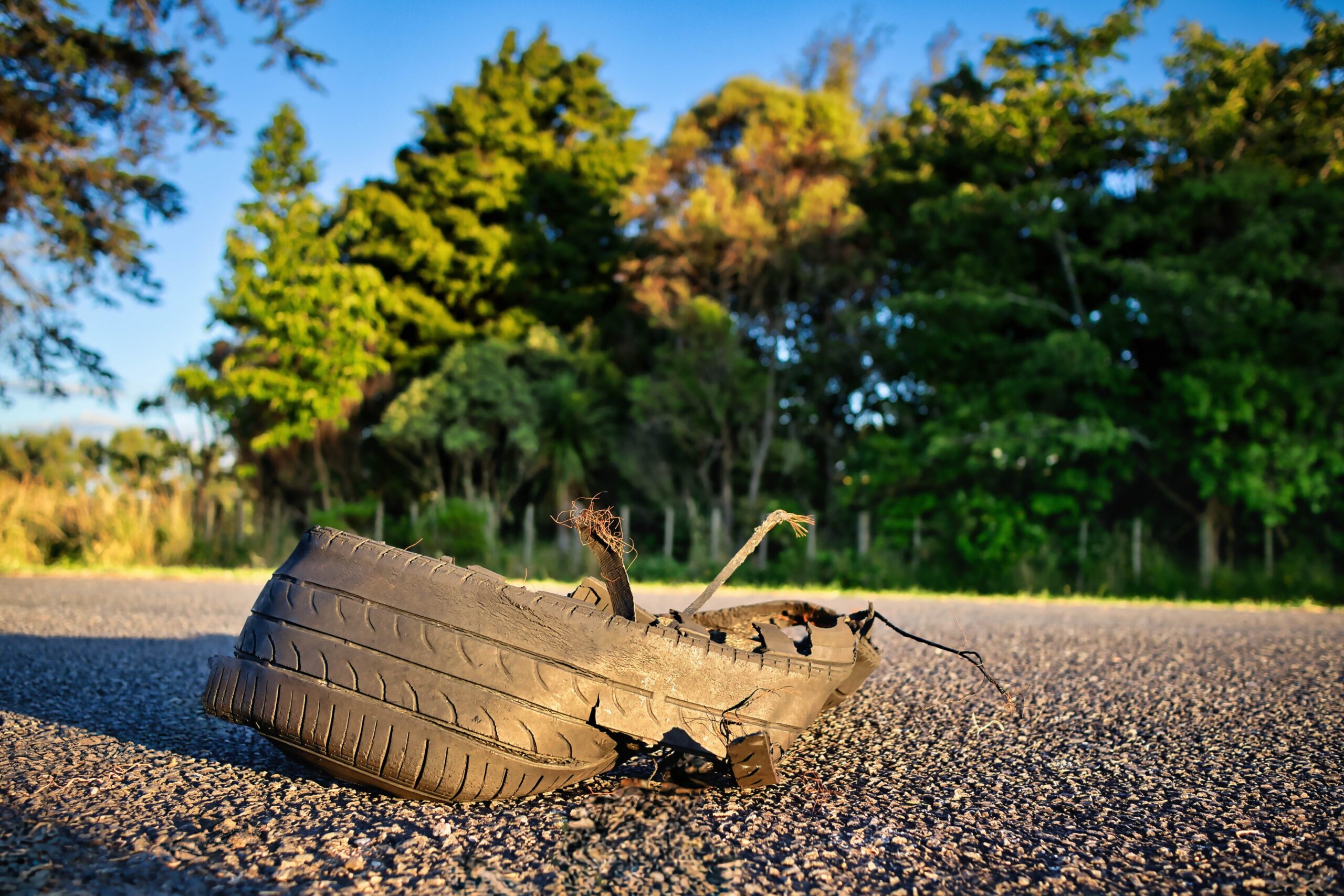
Studies by the Tire Retread and Repair Information Bureau have found no credible evidence that retreads fail at higher rates than comparable new tires under proper operating conditions. The casing, not the retreading process, is typically the determining factor in performance under stress.
The Importance of Industry Retread Standards
Retreaded tires sold in the United States are subject to the same federal safety standards as new tires. The Department of Transportation sets performance benchmarks that retreads must meet before they can be sold for use on public roads, including endurance, high-speed performance and strength.
Beyond federal regulations, the retread industry maintains its own standards through organizations like the Tire Retread and Repair Information Bureau and the Retread Tire Association. Quality retreaders invest in casing inspection equipment, controlled curing processes and material standards that go beyond the minimum required by law. That infrastructure exists because reputable manufacturers know that their products are only as reliable as the processes behind them.
The Michelin Retread Technologies Process
Bauer Built’s commercial retreads are produced through an association with Michelin Retread Technologies (MRT), which establishes strict standards for every step of the retreading process. That relationship means Bauer Built retreads don’t just meet DOT minimums. They’re built to Michelin’s specifications, using approved materials and processes that Michelin has developed and refined over decades.
The casings used in MRT-affiliated retreads are carefully inspected and selected, and the curing process is monitored to produce consistent results. When a commercial tire comes out of a Bauer Built retread plant, it carries the credibility of Michelin’s standards with it.
Commercial Retreads from Bauer Built Tire & Service
A quality retread can double or even triple the service life of your commercial tire casing, which reduces tire spend and downtime for your fleet. For owner-operators managing costs across every mile and fleet managers overseeing dozens of units, retreads represent one of the most reliable ways to stretch a tire budget without sacrificing performance.
Bauer Built’s commercial retread program follows a detailed nine-step process designed to evaluate casing integrity, prepare the surface, apply new tread material and cure the finished product to spec. To find out whether retreads are the right fit for your fleet, schedule an appointment at your nearest Bauer Built location.
Categories: Commercial Tire Tips
